




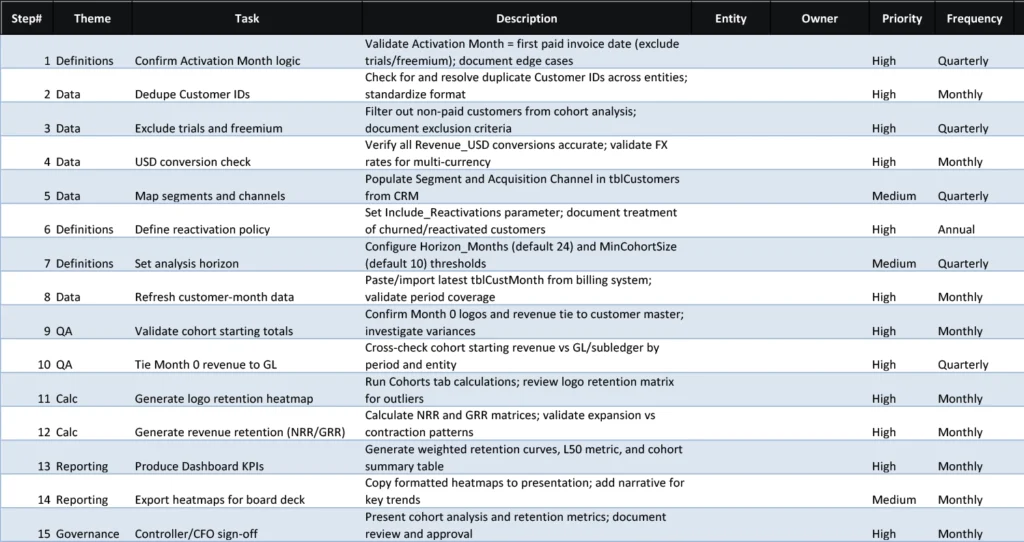


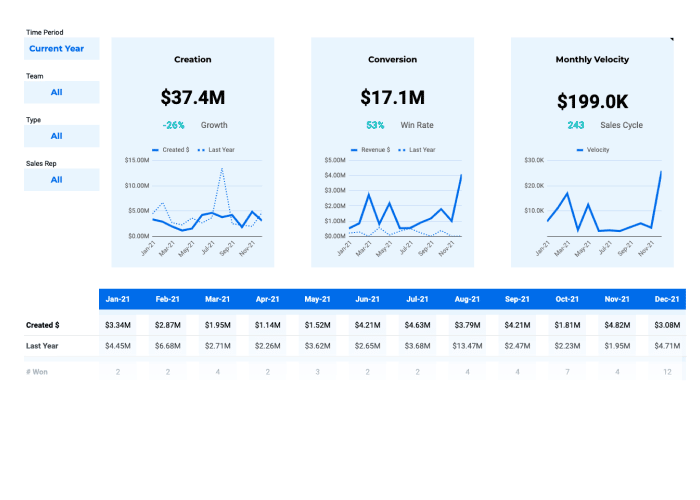
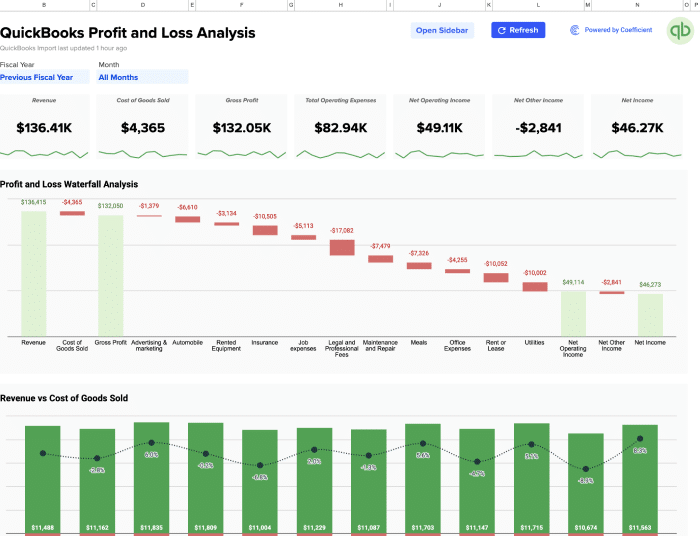

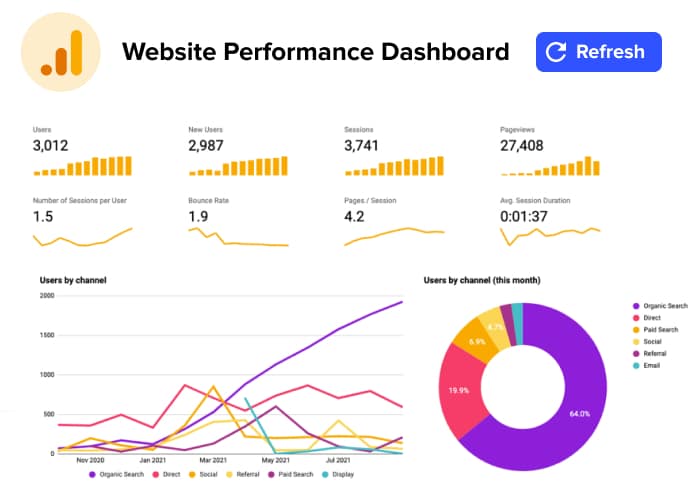








Most bad debt happens because credit decisions lack consistency and documentation. A credit review checklist standardizes how you evaluate customer creditworthiness—so your finance team approves appropriate credit limits, reduces collection risk, and maintains complete documentation for every credit decision.
This template gives you a systematic framework to analyze financial statements, verify references, check credit reports, and determine credit terms based on objective criteria.
What is a Credit Review Checklist?
A Credit Review Checklist is a comprehensive evaluation tool that helps finance teams assess customer creditworthiness before extending payment terms. This systematic approach guides professionals through analyzing financial statements, checking credit reports, verifying references, evaluating payment history, and determining appropriate credit limits. The checklist format ensures consistent credit decisions, reduces bad debt risk, supports policy compliance, and provides documentation for credit approvals and periodic reviews.
Benefits of using this template
- Real-Time Data Automation – Connect your financial systems directly to Google Sheets with Coefficient. Your credit review data stays current automatically, eliminating manual data entry and ensuring your team always works with accurate, up-to-date information.
- Streamlined Collaboration – Share your checklist with teammates who can update progress in real-time. Everyone sees the same information simultaneously, reducing status meeting time, preventing duplicate work, and ensuring accountability.
- Improved Efficiency – Reduce the time spent on your credit review process by up to 50% through automation and standardization. The checklist ensures nothing gets missed while automation handles repetitive data tasks.
- Enhanced Compliance and Control – Maintain a complete audit trail of who completed each step and when. The structured checklist format ensures all required procedures are followed consistently, reducing compliance risks and supporting internal and external audit requirements.
Flexible and Scalable – Customize the template to match your organization’s specific requirements. Add or remove steps, modify workflows, and adjust automation as your processes evolve.
