




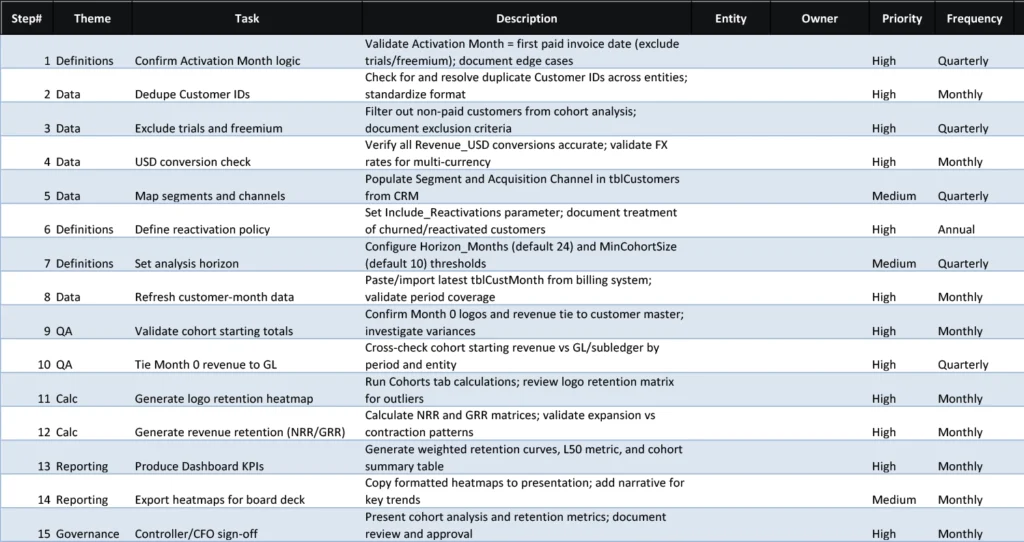


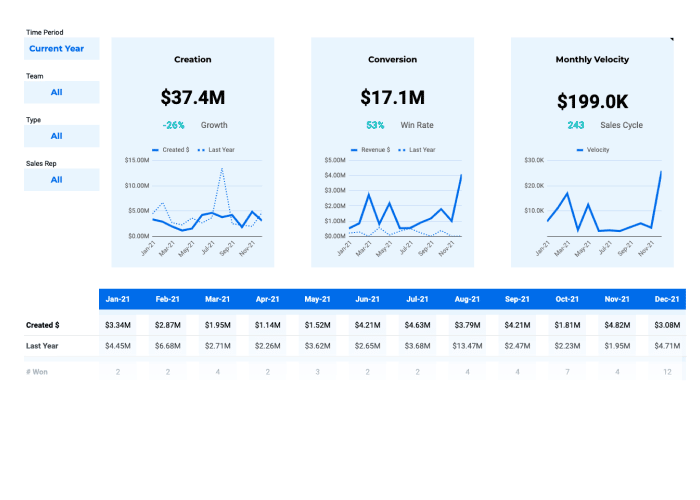
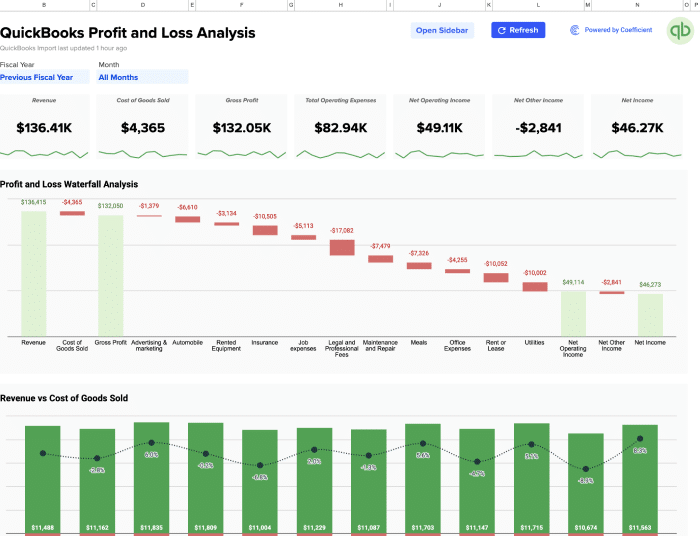

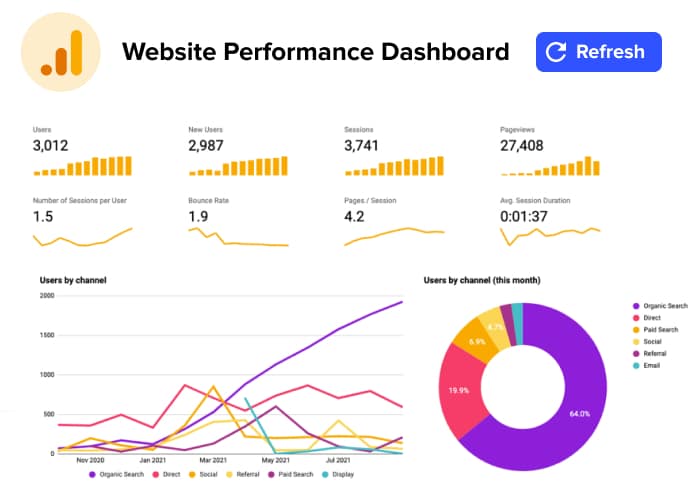

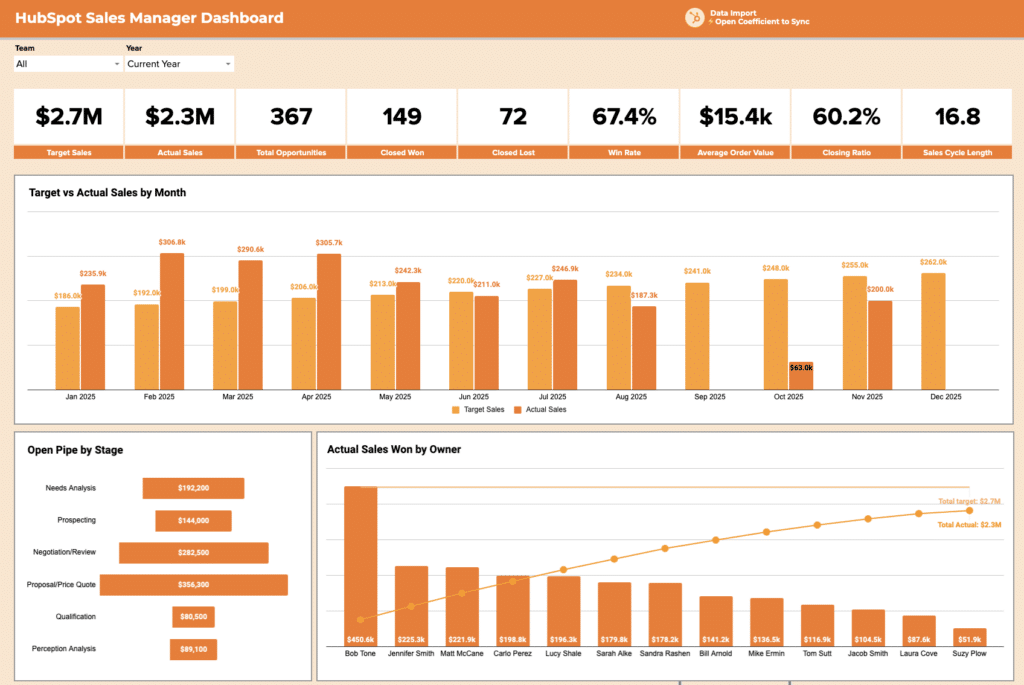

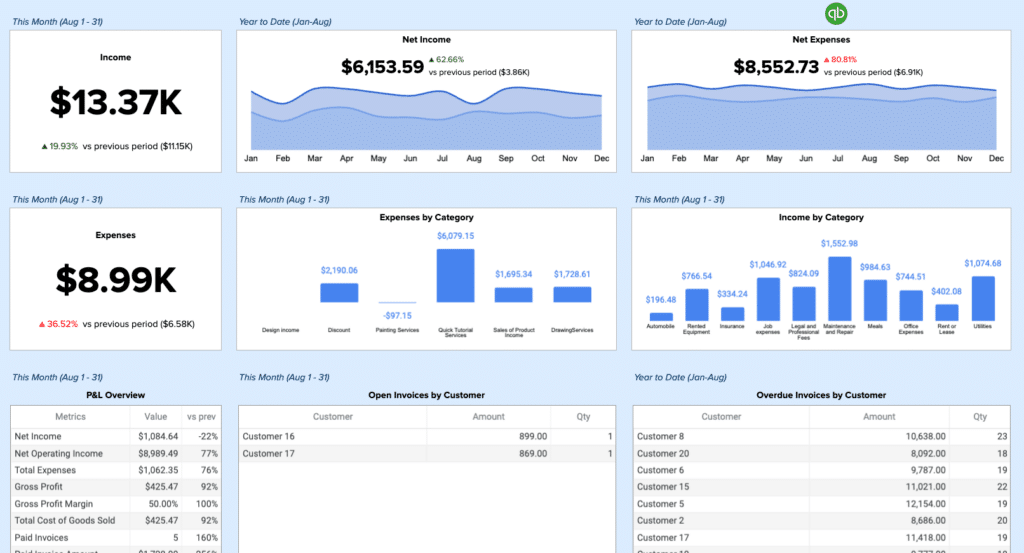


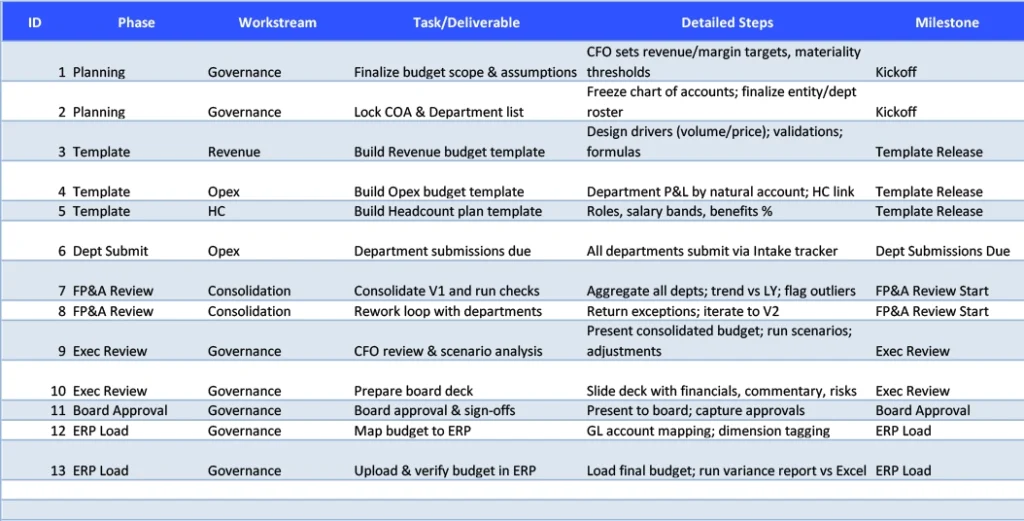

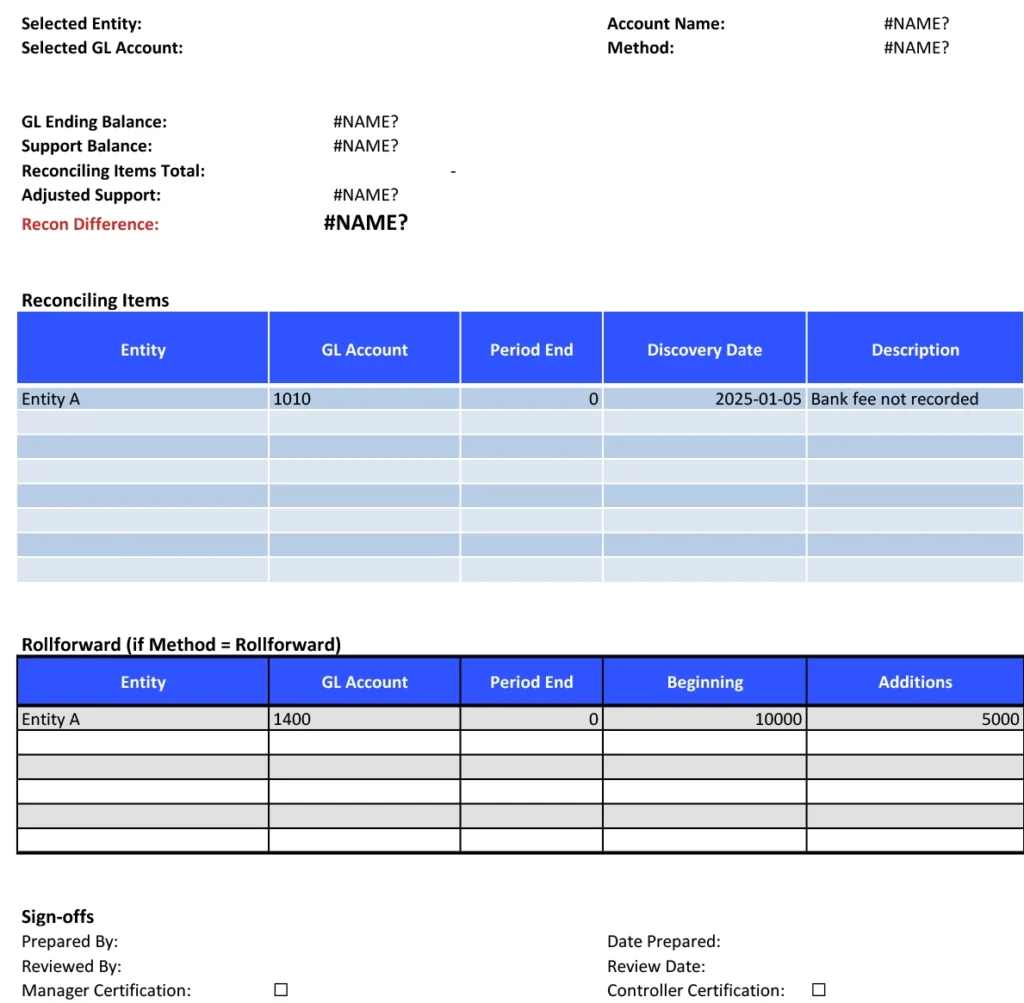



Strategic planning stalls when data lives in disconnected systems. Financial projections use outdated actuals. Market analysis relies on manual research. Initiative tracking happens in email threads. This template automates data sync from your business systems, centralizes strategic planning tasks, and tracks initiative progress so your leadership team builds plans on current data instead of guesswork.
What is an Annual Strategic Planning Checklist?
Annual strategic planning sets your company’s direction for the year. You analyze market conditions. Assess resources. Define goals. This aligns teams, prioritizes initiatives, and allocates resources strategically. Without it, departments work in silos. With it, everyone moves toward shared objectives.
Benefits of using this template
Flexible and scalable solution – Easily customize the template to fit your organization’s unique requirements and scale as your business grows without expensive software investments.
Real-time automation and data accuracy – Coefficient automatically syncs your financial data into Google Sheets and Excel, eliminating manual data entry and ensuring your Annual Strategic Planning Checklist stays current with live information from your source systems.
Enhanced team collaboration – Multiple team members can work simultaneously in Google Sheets, providing real-time visibility into task status, completion, and any issues that arise during the process.
Time savings and efficiency – Streamline your process by automating repetitive tasks and data collection, allowing your team to focus on analysis and strategic activities rather than manual work.
Improved compliance and control – Maintain a clear audit trail and ensure all required steps are completed consistently, reducing compliance risks and improving internal controls.
