Bringing your Podio Tags data into Google Sheets helps you manage the tags used on items and tasks, organize your content, and analyze tagging usage across your workspaces.
Stop manually tracking tag definitions and usage within Podio.
Learn how to quickly import your Tags data from Podio to Google Sheets using the Coefficient add-on in this simple guide.
TLDR
-
Step 1:
Step 1. Install Coefficient in Google Sheets and connect your Podio account.
-
Step 2:
Step 2. Select Import from Objects and choose the Tags object.
-
Step 3:
Step 3. Select the tag details you need and import the data into your sheet.
-
Step 4:
Step 4. Configure auto-refresh to keep your tags data updated automatically.
block:step-by-step
Here’s how to pull your Podio tag data directly into Google Sheets with Coefficient.
Step 1: Install Coefficient and Connect to Podio
Open Google Sheets > Extensions > Add-ons > Get add-ons > Install Coefficient from Google Workspace Marketplace
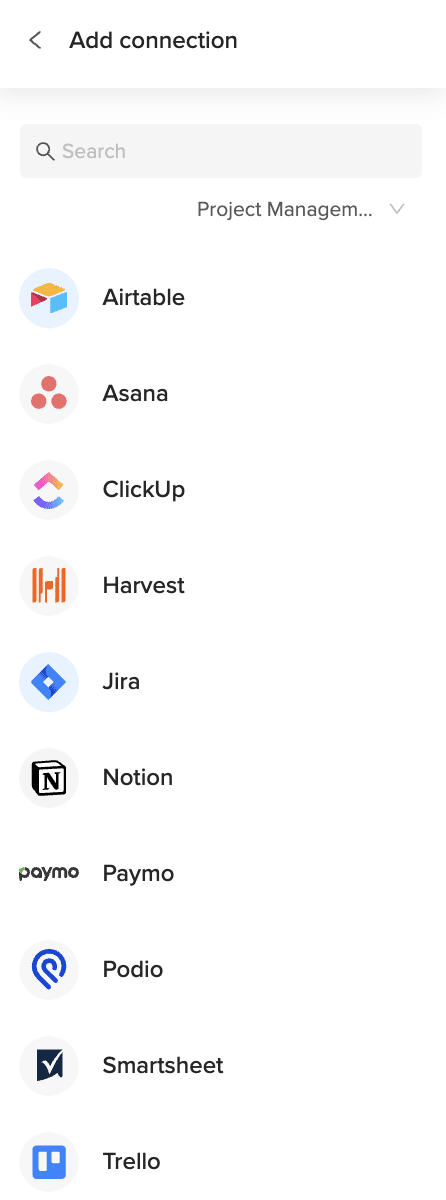
Once installed, open Coefficient from the Extensions menu. Click “”Import from…”” and look for Podio. Follow the prompts to connect your Podio account securely.

Step 2: Select Your Object
In the Coefficient sidebar, choose “”Import from Objects””.
Browse the list of Podio objects and select “”Tags””.
Step 3: Configure and Import Data
Refine the tags data you’re importing. Select specific columns like tag name, count, and associated items or tasks. Apply filters if needed to focus on specific tags or items.
Click the “”Import”” button, and your Podio tags data will appear in your Google Sheet.

Step 4: (Optional) Set Up Auto-Refresh
Keep your tag management current by setting up auto-refresh for your import.
In the Coefficient sidebar for your import configuration, toggle on “”Auto Refresh””. Choose a schedule (like hourly or daily) to automatically update the tags data. You can also set up email notifications.
Available Podio Objects
- Alerts
- App market
- Applications
- Batch
- Calendar
- Comments
- Contacts
- Conversations
- Devices
- Embeds
- Files
block:related-resources:
How to Import Tables Data from Coda into Google Sheets
Importing Tables data from Coda into Google Sheets helps teams extract valuable structured data and perform advanced analysis. Coefficient creates a seamless connection that keeps your table data fresh and accessible.
This guide will show you how to import your Coda Tables data into Google Sheets quickly and efficiently.
TLDR
-
Step 1:
Step 1. Open Google Sheets > Extensions > Add-ons > Get add-ons > Install Coefficient from Google Workspace Marketplace.
-
Step 2:
Step 2. Connect your Coda account and select the Tables object to import.
-
Step 3:
Step 3. (Optional) Enable auto-refresh to keep your tables data updated automatically.
Step-by-Step Guide to Import Coda Tables Data
Step 1: Install and Connect Coefficient
Begin by installing the Coefficient add-on for Google Sheets and connecting to your Coda account:
- Open your Google Sheet
- Click on Extensions > Add-ons > Get add-ons
- Search for “Coefficient” and install from Google Workspace Marketplace
- Once installed, open the Coefficient sidebar by clicking Extensions > Coefficient > Launch
- In the sidebar, click “Import Data”
Step 2: Select Coda and Import Tables Data
Next, select Coda from the available connectors and import your Tables data:
- In the Import section, look for Coda under “Project Management” integrations
- Click on Coda and authorize the connection
- Select “Tables” from the list of available objects
- Choose the tables you want to import and their respective fields
- Apply any filters if needed
- Click “Import” to bring the tables data into your spreadsheet
Step 3: Set Up Auto-Refresh (Optional)
Keep your Coda Tables data up to date by setting up automatic refreshes:
- After importing your data, click on the Coefficient menu in your sheet
- Select the imported Coda tables data
- Click on “Refresh settings”
- Choose your preferred schedule (hourly, daily, or weekly)
- Confirm your settings to enable auto-refresh
Available Coda Objects
- Pages
- Tables
- Docs Analytics
- Page Analytics
How to Import Subscriptions Data from Podio into Google Sheets
Bringing your Podio Subscriptions data into Google Sheets helps you track which items, tasks, or workspaces you are following and manage your notification preferences efficiently.
Stop manually checking your subscriptions list within Podio.
Learn how to quickly import your Subscriptions data from Podio to Google Sheets using the Coefficient add-on in this simple guide.
TLDR
-
Step 1:
Step 1. Install Coefficient in Google Sheets and connect your Podio account.
-
Step 2:
Step 2. Select Import from Objects and choose the Subscriptions object.
-
Step 3:
Step 3. Select the subscription details you need and import the data into your sheet.
-
Step 4:
Step 4. Configure auto-refresh to keep your subscriptions data updated automatically.
block:step-by-step
Here’s how to pull your Podio subscription data directly into Google Sheets with Coefficient.
Step 1: Install Coefficient and Connect to Podio
Open Google Sheets > Extensions > Add-ons > Get add-ons > Install Coefficient from Google Workspace Marketplace
Once installed, open Coefficient from the Extensions menu. Click “”Import from…”” and look for Podio. Follow the prompts to connect your Podio account securely.
Step 2: Select Your Object
In the Coefficient sidebar, choose “”Import from Objects””.
Browse the list of Podio objects and select “”Subscriptions””.
Step 3: Configure and Import Data
Refine the subscriptions data you’re importing. Select specific columns like subscribed item/workspace, user, and date subscribed. Apply filters if needed based on user or item type.
Click the “”Import”” button, and your Podio subscriptions data will appear in your Google Sheet.
Step 4: (Optional) Set Up Auto-Refresh
Keep your subscription tracker current by setting up auto-refresh for your import.
In the Coefficient sidebar for your import configuration, toggle on “”Auto Refresh””. Choose a schedule (like hourly or daily) to automatically update the subscriptions data. You can also set up email notifications.
Available Podio Objects
- Alerts
- App market
- Applications
- Batch
- Calendar
- Comments
- Contacts
- Conversations
- Devices
- Embeds
- Files
block:related-resources:
How to Import Status Data from Podio into Google Sheets
Bringing your Podio Status data into Google Sheets helps you track the progress of your items and tasks, manage project milestones, and analyze workflow states across your workspaces.
Stop manually tracking status updates for individual items.
Learn how to quickly import your Status data from Podio to Google Sheets using the Coefficient add-on in this simple guide.
TLDR
-
Step 1:
Step 1. Install Coefficient in Google Sheets and connect your Podio account.
-
Step 2:
Step 2. Select Import from Objects and choose the Status object.
-
Step 3:
Step 3. Select the status details you need and import the data into your sheet.
-
Step 4:
Step 4. Configure auto-refresh to keep your status data updated automatically.
block:step-by-step
Here’s how to pull your Podio status data directly into Google Sheets with Coefficient.
Step 1: Install Coefficient and Connect to Podio
Open Google Sheets > Extensions > Add-ons > Get add-ons > Install Coefficient from Google Workspace Marketplace
Once installed, open Coefficient from the Extensions menu. Click “”Import from…”” and look for Podio. Follow the prompts to connect your Podio account securely.
Step 2: Select Your Object
In the Coefficient sidebar, choose “”Import from Objects””.
Browse the list of Podio objects and select “”Status””.
Step 3: Configure and Import Data
Refine the status data you’re importing. Select specific columns like status value, color, and associated items or tasks. Apply filters if needed based on status value or associated items.
Click the “”Import”” button, and your Podio status data will appear in your Google Sheet.
Step 4: (Optional) Set Up Auto-Refresh
Keep your status tracker current by setting up auto-refresh for your import.
In the Coefficient sidebar for your import configuration, toggle on “”Auto Refresh””. Choose a schedule (like hourly or daily) to automatically update the status data. You can also set up email notifications.
Available Podio Objects
- Alerts
- App market
- Applications
- Batch
- Calendar
- Comments
- Contacts
- Conversations
- Devices
- Embeds
- Files
block:related-resources:
How to Import Spaces Data from Podio into Google Sheets
Bringing your Podio Spaces data into Google Sheets helps you manage your different workspaces, track memberships, and maintain an overview of your collaboration areas.
Stop manually tracking space details and members within Podio.
Learn how to quickly import your Spaces data from Podio to Google Sheets using the Coefficient add-on in this simple guide.
TLDR
-
Step 1:
Step 1. Install Coefficient in Google Sheets and connect your Podio account.
-
Step 2:
Step 2. Select Import from Objects and choose the Spaces object.
-
Step 3:
Step 3. Select the space details you need and import the data into your sheet.
-
Step 4:
Step 4. Configure auto-refresh to keep your spaces data updated automatically.
block:step-by-step
Here’s how to pull your Podio space data directly into Google Sheets with Coefficient.
Step 1: Install Coefficient and Connect to Podio
Open Google Sheets > Extensions > Add-ons > Get add-ons > Install Coefficient from Google Workspace Marketplace
Once installed, open Coefficient from the Extensions menu. Click “”Import from…”” and look for Podio. Follow the prompts to connect your Podio account securely.
Step 2: Select Your Object
In the Coefficient sidebar, choose “”Import from Objects””.
Browse the list of Podio objects and select “”Spaces””.
Step 3: Configure and Import Data
Refine the spaces data you’re importing. Select specific columns like space name, description, type, and number of members. Apply filters if needed based on type or name.
Click the “”Import”” button, and your Podio spaces data will appear in your Google Sheet.
Step 4: (Optional) Set Up Auto-Refresh
Keep your workspace documentation current by setting up auto-refresh for your import.
In the Coefficient sidebar for your import configuration, toggle on “”Auto Refresh””. Choose a schedule (like hourly or daily) to automatically update the spaces data. You can also set up email notifications.
Available Podio Objects
- Alerts
- App market
- Applications
- Batch
- Calendar
- Comments
- Contacts
- Conversations
- Devices
- Embeds
- Files
block:related-resources:
How to Import Stream Data from Podio into Google Sheets
Bringing your Podio Stream data into Google Sheets helps you track activity feeds, monitor project updates in real-time, and review historical actions across your workspaces and items.
Stop manually scrolling through the stream within Podio for reporting or analysis.
Learn how to quickly import your Stream data from Podio to Google Sheets using the Coefficient add-on in this simple guide.
TLDR
-
Step 1:
Step 1. Install Coefficient in Google Sheets and connect your Podio account.
-
Step 2:
Step 2. Select Import from Objects and choose the Stream object.
-
Step 3:
Step 3. Select the stream details you need and import the data into your sheet.
-
Step 4:
Step 4. Configure auto-refresh to keep your stream data updated automatically.
block:step-by-step
Here’s how to pull your Podio stream data directly into Google Sheets with Coefficient.
Step 1: Install Coefficient and Connect to Podio
Open Google Sheets > Extensions > Add-ons > Get add-ons > Install Coefficient from Google Workspace Marketplace
Once installed, open Coefficient from the Extensions menu. Click “”Import from…”” and look for Podio. Follow the prompts to connect your Podio account securely.
Step 2: Select Your Object
In the Coefficient sidebar, choose “”Import from Objects””.
Browse the list of Podio objects and select “”Stream””.
Step 3: Configure and Import Data
Refine the stream data you’re importing. Select specific columns like activity type, date, user, and related item or task. Apply filters if needed based on user or date ranges.
Click the “”Import”” button, and your Podio stream data will appear in your Google Sheet.
Step 4: (Optional) Set Up Auto-Refresh
Keep your activity log current by setting up auto-refresh for your import.
In the Coefficient sidebar for your import configuration, toggle on “”Auto Refresh””. Choose a schedule (like hourly or daily) to automatically update the stream data. You can also set up email notifications.
Available Podio Objects
- Alerts
- App market
- Applications
- Batch
- Calendar
- Comments
- Contacts
- Conversations
- Devices
- Embeds
- Files
block:related-resources:
How to Import Space members Data from Podio into Google Sheets
Bringing your Podio Space members data into Google Sheets helps you manage who has access to your workspaces, track roles and permissions, and visualize your team structure.
Stop manually tracking space memberships and roles within Podio.
Learn how to quickly import your Space members data from Podio to Google Sheets using the Coefficient add-on in this simple guide.
TLDR
-
Step 1:
Step 1. Install Coefficient in Google Sheets and connect your Podio account.
-
Step 2:
Step 2. Select Import from Objects and choose the Space members object.
-
Step 3:
Step 3. Select the member details you need and import the data into your sheet.
-
Step 4:
Step 4. Configure auto-refresh to keep your space members data updated automatically.
block:step-by-step
Here’s how to pull your Podio space member data directly into Google Sheets with Coefficient.
Step 1: Install Coefficient and Connect to Podio
Open Google Sheets > Extensions > Add-ons > Get add-ons > Install Coefficient from Google Workspace Marketplace
Once installed, open Coefficient from the Extensions menu. Click “”Import from…”” and look for Podio. Follow the prompts to connect your Podio account securely.
Step 2: Select Your Object
In the Coefficient sidebar, choose “”Import from Objects””.
Browse the list of Podio objects and select “”Space members””.
Step 3: Configure and Import Data
Refine the space members data you’re importing. Select specific columns like member name, email, role, and associated spaces. Apply filters if needed based on role or space.
Click the “”Import”” button, and your Podio space members data will appear in your Google Sheet.
Step 4: (Optional) Set Up Auto-Refresh
Keep your team organization tracker current by setting up auto-refresh for your import.
In the Coefficient sidebar for your import configuration, toggle on “”Auto Refresh””. Choose a schedule (like hourly or daily) to automatically update the space members data. You can also set up email notifications.
Available Podio Objects
- Alerts
- App market
- Applications
- Batch
- Calendar
- Comments
- Contacts
- Conversations
- Devices
- Embeds
- Files
block:related-resources:
How to Import Search Query Performance Data from Microsoft Ads into Google Sheets
Accessing your Microsoft Ads Search Query Performance data in Google Sheets helps you analyze search terms that trigger your ads, identify new keywords, and refine negative keywords.
Instead of manual exports, you can set up a live connection that updates automatically.
This guide shows you how to import your Microsoft Ads Search Query Performance data into Google Sheets using Coefficient.
TLDR
-
Step 1:
Step 1. Install Coefficient from the Google Workspace Marketplace and connect your Microsoft Ads account.
-
Step 2:
Step 2. Select Import from… and choose the Search Query Performance object from Microsoft Ads.
-
Step 3:
Step 3. Configure your import settings and pull the data into your sheet.
-
Step 4:
Step 4. Set up auto-refresh to keep your search query performance data current automatically.
Importing your Microsoft Ads Search Query Performance data into Google Sheets is simple with Coefficient. Follow these steps to get started:
Step 1: Install and Connect Coefficient
First, you need to add Coefficient to your Google Sheet.
- Open Google Sheets.
- Go to Extensions > Add-ons > Get add-ons.
- Search for “Coefficient” and install it from the Google Workspace Marketplace.
Once installed, open the Coefficient add-on from Extensions > Coefficient > Launch.
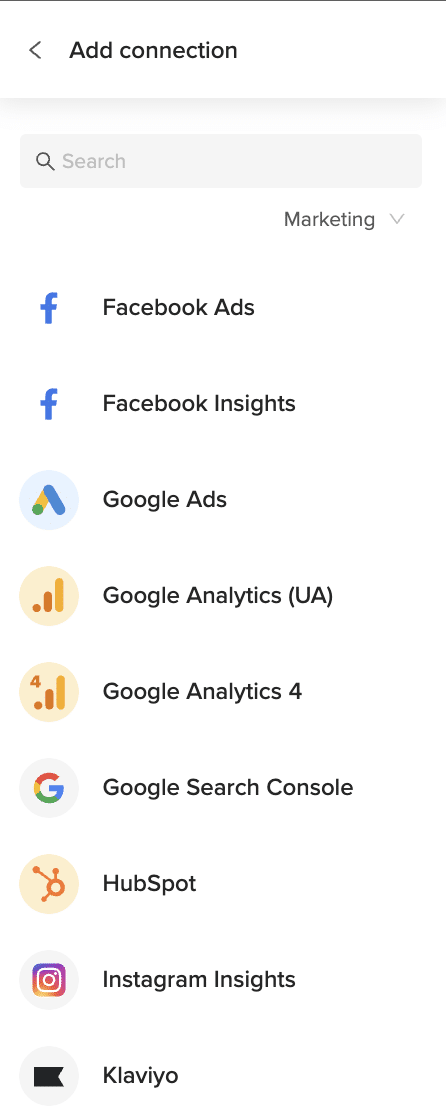
In the Coefficient sidebar, click “Import from…” and find Microsoft Ads in the list of connectors. You’ll be guided to connect your Microsoft Ads account securely.
Step 2: Import Microsoft Ads Search Query Performance Data
After connecting, you’ll see options for importing data from Microsoft Ads.
- Select “Objects”.
- Choose “Search Query Performance” from the list of available objects.
You can then select specific fields, apply filters, and sort the data before importing. Once ready, click the “Import” button.
Your Microsoft Ads Search Query Performance data will load directly into your Google Sheet.
Step 3: Set Up Auto-Refresh (Optional)
To keep your Search Query Performance data in Google Sheets always up to date, set up an automatic refresh schedule.
In the Coefficient sidebar, find your imported data.
- Click the “Refresh” button or the three-dot menu next to your import.
- Select “Schedule Refresh”.
- Choose your desired frequency (e.g., daily, hourly, weekly) and time.
Coefficient will now automatically update your sheet with the latest data from Microsoft Ads based on your schedule.
Available Microsoft Ads Objects
- Campaign Performance
- Conversion Performance
- Keyword Performance
- Search Query Performance
- Account Performance
- Ad Dynamic Text Performance
- Ad Extension By Ad
- Ad Extension By Keyword
- Ad Extension Detail
- Ad Performance
- Age Gender Audience
- Audience Performance
How to Import Search Data from Podio into Google Sheets
Bringing your Podio Search data into Google Sheets helps you understand which content is searchable within your workspaces and document data accessibility for your team.
Stop manually checking search capabilities within Podio settings.
Learn how to quickly import your Search data from Podio to Google Sheets using the Coefficient add-on in this simple guide.
TLDR
-
Step 1:
Step 1. Install Coefficient in Google Sheets and connect your Podio account.
-
Step 2:
Step 2. Select Import from Objects and choose the Search object.
-
Step 3:
Step 3. Select the search details you need and import the data into your sheet.
-
Step 4:
Step 4. Configure auto-refresh to keep your search data updated automatically.
block:step-by-step
Here’s how to pull your Podio search data directly into Google Sheets with Coefficient.
Step 1: Install Coefficient and Connect to Podio
Open Google Sheets > Extensions > Add-ons > Get add-ons > Install Coefficient from Google Workspace Marketplace
Once installed, open Coefficient from the Extensions menu. Click “”Import from…”” and look for Podio. Follow the prompts to connect your Podio account securely.
Step 2: Select Your Object
In the Coefficient sidebar, choose “”Import from Objects””.
Browse the list of Podio objects and select “”Search””.
Step 3: Configure and Import Data
Refine the search data you’re importing. Select specific columns like searchable field names, associated apps, and types. Apply filters if needed based on app or field type.
Click the “”Import”” button, and your Podio search data will appear in your Google Sheet.
Step 4: (Optional) Set Up Auto-Refresh
Keep your documentation of searchable content current by setting up auto-refresh for your import.
In the Coefficient sidebar for your import configuration, toggle on “”Auto Refresh””. Choose a schedule (like hourly or daily) to automatically update the search data. You can also set up email notifications.
Available Podio Objects
- Alerts
- App market
- Applications
- Batch
- Calendar
- Comments
- Contacts
- Conversations
- Devices
- Embeds
- Files
block:related-resources:
How to Import Requisitions Data from Lever into Google Sheets
Bringing your Lever Requisitions data into Google Sheets helps you manage open positions, track approvals, and monitor budget allocation for hiring needs.
Stop manually tracking requisition details across spreadsheets.
Learn how to quickly import your Requisitions data from Lever to Google Sheets using the Coefficient add-on in this simple guide.
TLDR
-
Step 1:
Step 1. Install Coefficient in Google Sheets and connect your Lever account.
-
Step 2:
Step 2. Select Import from Objects and choose the Requisitions object.
-
Step 3:
Step 3. Select relevant requisition details and import the data into your sheet.
-
Step 4:
Step 4. Configure auto-refresh to keep your requisitions data updated automatically.
block:step-by-step
Here’s how to pull your Lever requisition data directly into Google Sheets with Coefficient.
Step 1: Install Coefficient and Connect to Lever
Open Google Sheets > Extensions > Add-ons > Get add-ons > Install Coefficient from Google Workspace Marketplace
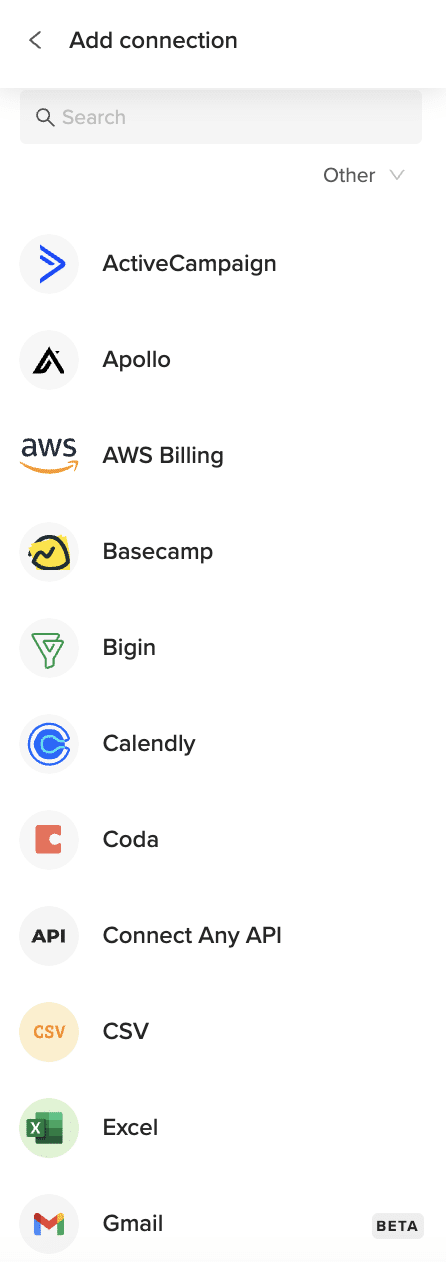
Once installed, open Coefficient from the Extensions menu. Click “”Import from…”” and select Lever. Follow the prompts to connect your Lever account securely.
Step 2: Select Your Object
In the Coefficient sidebar, choose “”Import from Objects””.
Browse the list of Lever objects and select “”Requisitions””.
Step 3: Configure and Import Data
Refine the requisitions data you’re importing. Select specific columns like requisition ID, job posting, status, department, and budget details. Apply filters if needed based on status or department.
Click the “”Import”” button, and your Lever requisitions data will appear in your Google Sheet.
Step 4: (Optional) Set Up Auto-Refresh
Keep your requisition tracker current by setting up auto-refresh for your import.
In the Coefficient sidebar for your import configuration, toggle on “”Auto Refresh””. Choose a schedule (like hourly or daily) to automatically update the requisitions data. You can also set up email notifications.
Available Lever Objects
- Feedback
- Feedback Templates
- Interviews
- Notes
- Opportunities
- Panels
- Postings
- Profile Forms
- Profile Form Templates
- Requisitions
- Requisition Fields
- Users