Bringing your Podio Reference data into Excel helps you track relationships between different items and understand how data is linked. Manually exporting this data is complex and quickly becomes old.
Coefficient offers a live connection for automatic data updates.
This guide shows you the steps to easily import your Reference data from Podio into Excel.
TLDR
-
Step 1:
Step 1. Install Coefficient in Excel and connect your Podio account.
-
Step 2:
Step 2. Use Import from… to select the Podio connector.
-
Step 3:
Step 3. Choose the Reference object and select the fields you need.
-
Step 4:
Step 4. Import the data into your sheet and set up auto-refresh.
Step-by-step guide to importing Podio Reference into Excel
Step 1: Install and connect Coefficient
Get Coefficient installed in your Excel application to start.
- Open Excel.
- Go to the Insert tab.
- Click Get Add-ins.
- Search for and install “”Coefficient”” from the Office Add-ins store.
- Open the Coefficient sidebar, found in the Home or Add-ins tab.
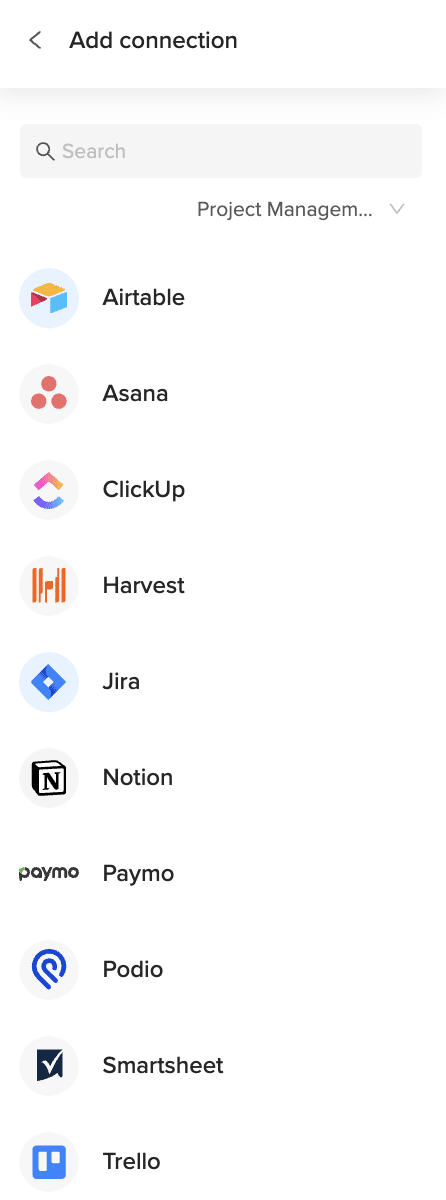
- Click “”Import from…”” and select Podio. Follow the steps to connect your Podio account.

Step 2: Import the Reference data
With the connection ready, you can now bring in your Reference data.
- In the Coefficient sidebar for the Podio connector, choose to import from an **Object**.
- Find and select the “”Reference”” object from the list.
- Choose the specific data fields from Reference that you want in your Excel sheet.
- Apply any filters or sorting if needed.
- Click “”Import”” to pull the data into your sheet.
Step 3: Set up auto-refresh (Optional)
Keep your Reference data current automatically.
- After the data is imported, find your import listed in the Coefficient sidebar next to the Refresh button.
- Click the refresh settings icon.
- Select “”Schedule”” to automate updates.
- Choose how often the data should refresh (e.g., hourly, daily) and set a time.
- Save the schedule. Your Reference data will update automatically.

Available Podio Objects
- Alerts
- App market
- Applications
- Batch
- Calendar
- Comments
- Contacts
- Conversations
- Devices
- Embeds
- Files
How to Import Recurrence Data from Podio into Excel
Bringing your Podio Recurrence data into Excel helps you track recurring tasks, scheduled events, and manage repeating workflows. Manually accessing this data is not efficient and it quickly becomes old.
Coefficient offers a live connection for automatic data updates.
This guide shows you how to easily import your Recurrence data from Podio into Excel.
TLDR
-
Step 1:
Step 1. Install Coefficient in Excel and connect your Podio account.
-
Step 2:
Step 2. Use Import from… to select the Podio connector.
-
Step 3:
Step 3. Choose the Recurrence object and select the fields you need.
-
Step 4:
Step 4. Import the data into your sheet and set up auto-refresh.
Step-by-step guide to importing Podio Recurrence into Excel
Step 1: Install and connect Coefficient
Get Coefficient installed in your Excel application to start.
- Open Excel.
- Go to the Insert tab.
- Click Get Add-ins.
- Search for and install “”Coefficient”” from the Office Add-ins store.
- Open the Coefficient sidebar, found in the Home or Add-ins tab.
- Click “”Import from…”” and select Podio. Follow the steps to connect your Podio account.
Step 2: Import the Recurrence data
With the connection ready, you can now bring in your Recurrence data.
- In the Coefficient sidebar for the Podio connector, choose to import from an **Object**.
- Find and select the “”Recurrence”” object from the list.
- Choose the specific data fields from Recurrence that you want in your Excel sheet.
- Apply any filters or sorting if needed.
- Click “”Import”” to pull the data into your sheet.
Step 3: Set up auto-refresh (Optional)
Keep your Recurrence data current automatically.
- After the data is imported, find your import listed in the Coefficient sidebar next to the Refresh button.
- Click the refresh settings icon.
- Select “”Schedule”” to automate updates.
- Choose how often the data should refresh (e.g., hourly, daily) and set a time.
- Save the schedule. Your Recurrence data will update automatically.
Available Podio Objects
- Alerts
- App market
- Applications
- Batch
- Calendar
- Comments
- Contacts
- Conversations
- Devices
- Embeds
- Files
How to Import Reminders Data from Podio into Excel
Bringing your Podio Reminders data into Excel helps you track your set reminders, manage follow-ups, and get an overview of important actions. Manually accessing this data is not efficient and it quickly becomes old.
Coefficient offers a live connection for automatic data updates.
This guide shows you how to easily import your Reminders data from Podio into Excel.
TLDR
-
Step 1:
Step 1. Install Coefficient in Excel and connect your Podio account.
-
Step 2:
Step 2. Use Import from… to select the Podio connector.
-
Step 3:
Step 3. Choose the Reminders object and select the fields you need.
-
Step 4:
Step 4. Import the data into your sheet and set up auto-refresh.
Step-by-step guide to importing Podio Reminders into Excel
Step 1: Install and connect Coefficient
Get Coefficient installed in your Excel application to start.
- Open Excel.
- Go to the Insert tab.
- Click Get Add-ins.
- Search for and install “”Coefficient”” from the Office Add-ins store.
- Open the Coefficient sidebar, found in the Home or Add-ins tab.
- Click “”Import from…”” and select Podio. Follow the steps to connect your Podio account.
Step 2: Import the Reminders data
With the connection ready, you can now bring in your Reminders data.
- In the Coefficient sidebar for the Podio connector, choose to import from an **Object**.
- Find and select the “”Reminders”” object from the list.
- Choose the specific data fields from Reminders that you want in your Excel sheet.
- Apply any filters or sorting if needed.
- Click “”Import”” to pull the data into your sheet.
Step 3: Set up auto-refresh (Optional)
Keep your Reminders data current automatically.
- After the data is imported, find your import listed in the Coefficient sidebar next to the Refresh button.
- Click the refresh settings icon.
- Select “”Schedule”” to automate updates.
- Choose how often the data should refresh (e.g., hourly, daily) and set a time.
- Save the schedule. Your Reminders data will update automatically.
Available Podio Objects
- Alerts
- App market
- Applications
- Batch
- Calendar
- Comments
- Contacts
- Conversations
- Devices
- Embeds
- Files
How to Import Resolutions Data from Jira into Excel
Bringing your Jira Resolutions data into Excel helps you track how issues are closed and resolved. Coefficient makes connecting Jira Resolutions to Excel simple and automatic.
Instead of relying on manual exports that are instantly out of date, you can create a live link that refreshes itself. This guide shows you exactly how to import your Jira Resolutions data into Excel using Coefficient.
TLDR
-
Step 1:
Step 1. Install Coefficient from the Office Add-ins store and connect to your Jira account.
-
Step 2:
Step 2. Select Import from… and choose the Resolutions object.
-
Step 3:
Step 3. Pick the fields you need, then import the data to your Excel sheet.
-
Step 4:
Step 4. Set up auto-refresh to keep your Resolutions data updated automatically on your schedule.
block:step-by-step
Step-by-step guide
Importing Jira Resolutions data into Excel with Coefficient is a simple process. Follow these steps to get your data connected and updating live.
step:1:Installation and Connection
First, you need to add Coefficient to your Excel application.
- Open Excel.
- Insert Go to thetab.
- Get Add-ins Click.
- Add Search for “”Coefficient”” and clickto install it from the Office Add-ins store.
Home Insert Once installed, open Coefficient from theortab. You’ll see the Coefficient sidebar. Click to connect a new data source, choose Jira, and log in to your account to authorize the connection.
step:2:Importing the Data
Now that Coefficient is connected to Jira, you can pull in your Resolutions data.
- Import from… In the Coefficient sidebar, click thebutton.
- Jira Selectfrom your list of connected sources.
- Coefficient will show you the types of data you can import. Choose the relevant option, likely “Objects”.
- Resolutions From the list of available Jira objects, select.
- Choose the specific fields (columns) you want to bring into your sheet.
- Apply any filters or criteria to narrow down the data, if needed.
- Import Clickto pull the data into your Excel sheet.
step:3:Setting up Auto-Refresh (Optional)
To ensure your Excel sheet always has the most current Jira Resolutions data, set up an auto-refresh schedule.
- With your imported data table selected in Excel, look for the auto-refresh options in the Coefficient sidebar.
- Click on the refresh icon associated with your Jira import.
- Set how often you want the data to update (e.g., daily, hourly, weekly).
- Choose the specific time for the automatic refresh to occur.
Your Excel sheet will now automatically stay in sync with the latest Jira Resolutions data based on the schedule you set.
Available Jira Objects
Objects
- Issues
- Issue Types
- Fields
- Versions
- Components
- Priorities
- Resolutions
- Statuses
- Users
- Groups
- Application Roles
- Project Roles
How to Import Scorecards Data from Gong into Excel
Analyzing Gong Scorecards data in Excel helps evaluate sales rep performance against key metrics. Coefficient links Gong to your spreadsheet seamlessly.
This guide explains how to import your Gong Scorecards data into Excel using Coefficient.
TLDR
-
Step 1:
Step 1. Install Coefficient for Excel and connect your Gong account.
-
Step 2:
Step 2. Select Import from… and choose the Scorecards object.
-
Step 3:
Step 3. Filter data or select fields as needed and import into your Excel sheet.
-
Step 4:
Step 4. Set up auto-refresh to keep your scorecard data automatically updated.
Step-by-step guide
Follow these steps to bring your Gong Scorecards data into Excel.
Step 1: Install and Connect Coefficient
First, install Coefficient for Excel. Go to the Insert tab, click “Get Add-ins,” search for Coefficient, and install it from the store.
Open the Coefficient add-in from the Home tab. Select Gong when prompted to connect a data source.
Log in to your Gong account and authorize Coefficient to access your data.
Step 2: Import Scorecards Data
With Gong connected, click “Import from…” in the Coefficient sidebar.
Select Gong as your source. Then, choose “Scorecards” from the list of available objects to import.
You can refine the data by selecting specific fields or applying filters before clicking “Import” to add it to your Excel sheet.

Step 3: Set Up Auto-Refresh (Optional)
Keep your Scorecards data in Excel automatically updated. After importing, find the auto-refresh options in the Coefficient sidebar.
Schedule refreshes hourly, daily, or weekly. Your Excel sheet will then sync automatically with the latest scorecard information from Gong.
Available Gong Objects
- Users
- Workspaces
- Calls
- Scorecards
- Folders
- Calls in a Folder
- Logs
How to Import Screen Schemes Data from Jira into Excel
Bringing your Jira Screen Schemes data into Excel helps you document and track how screens are associated with issue operations and issue types. Coefficient makes connecting Jira Screen Schemes to Excel simple and automatic.
Instead of relying on manual exports that are instantly out of date, you can create a live link that refreshes itself. This guide shows you exactly how to import your Jira Screen Schemes data into Excel using Coefficient.
TLDR
-
Step 1:
Step 1. Install Coefficient from the Office Add-ins store and connect to your Jira account.
-
Step 2:
Step 2. Select Import from… and choose the Screen Schemes object.
-
Step 3:
Step 3. Pick the fields you need, then import the data to your Excel sheet.
-
Step 4:
Step 4. Set up auto-refresh to keep your Screen Schemes data updated automatically on your schedule.
block:step-by-step
Step-by-step guide
Importing Jira Screen Schemes data into Excel with Coefficient is a simple process. Follow these steps to get your data connected and updating live.
step:1:Installation and Connection
First, you need to add Coefficient to your Excel application.
- Open Excel.
- Insert Go to thetab.
- Get Add-ins Click.
- Add Search for “”Coefficient”” and clickto install it from the Office Add-ins store.
Home Insert Once installed, open Coefficient from theortab. You’ll see the Coefficient sidebar. Click to connect a new data source, choose Jira, and log in to your account to authorize the connection.
step:2:Importing the Data
Now that Coefficient is connected to Jira, you can pull in your Screen Schemes data.
- Import from… In the Coefficient sidebar, click thebutton.
- Jira Selectfrom your list of connected sources.
- Coefficient will show you the types of data you can import. Choose the relevant option, likely “Objects”.
- Screen Schemes From the list of available Jira objects, select.
- Choose the specific fields (columns) you want to bring into your sheet.
- Apply any filters or criteria to narrow down the data, if needed.
- Import Clickto pull the data into your Excel sheet.
step:3:Setting up Auto-Refresh (Optional)
To ensure your Excel sheet always has the most current Jira Screen Schemes data, set up an auto-refresh schedule.
- With your imported data table selected in Excel, look for the auto-refresh options in the Coefficient sidebar.
- Click on the refresh icon associated with your Jira import.
- Set how often you want the data to update (e.g., daily, hourly, weekly).
- Choose the specific time for the automatic refresh to occur.
Your Excel sheet will now automatically stay in sync with the latest Jira Screen Schemes data based on the schedule you set.
Available Jira Objects
Objects
- Issues
- Issue Types
- Fields
- Versions
- Components
- Priorities
- Resolutions
- Statuses
- Users
- Groups
- Application Roles
- Project Roles
How to Import Screens Data from Jira into Excel
Bringing your Jira Screens data into Excel helps you document and track the fields displayed on issue screens. Coefficient makes connecting Jira Screens to Excel simple and automatic.
Instead of relying on manual exports that are instantly out of date, you can create a live link that refreshes itself. This guide shows you exactly how to import your Jira Screens data into Excel using Coefficient.
TLDR
-
Step 1:
Step 1. Install Coefficient from the Office Add-ins store and connect to your Jira account.
-
Step 2:
Step 2. Select Import from… and choose the Screens object.
-
Step 3:
Step 3. Pick the fields you need, then import the data to your Excel sheet.
-
Step 4:
Step 4. Set up auto-refresh to keep your Screens data updated automatically on your schedule.
block:step-by-step
Step-by-step guide
Importing Jira Screens data into Excel with Coefficient is a simple process. Follow these steps to get your data connected and updating live.
step:1:Installation and Connection
First, you need to add Coefficient to your Excel application.
- Open Excel.
- Insert Go to thetab.
- Get Add-ins Click.
- Add Search for “”Coefficient”” and clickto install it from the Office Add-ins store.
Home Insert Once installed, open Coefficient from theortab. You’ll see the Coefficient sidebar. Click to connect a new data source, choose Jira, and log in to your account to authorize the connection.
step:2:Importing the Data
Now that Coefficient is connected to Jira, you can pull in your Screens data.
- Import from… In the Coefficient sidebar, click thebutton.
- Jira Selectfrom your list of connected sources.
- Coefficient will show you the types of data you can import. Choose the relevant option, likely “Objects”.
- Screens From the list of available Jira objects, select.
- Choose the specific fields (columns) you want to bring into your sheet.
- Apply any filters or criteria to narrow down the data, if needed.
- Import Clickto pull the data into your Excel sheet.
step:3:Setting up Auto-Refresh (Optional)
To ensure your Excel sheet always has the most current Jira Screens data, set up an auto-refresh schedule.
- With your imported data table selected in Excel, look for the auto-refresh options in the Coefficient sidebar.
- Click on the refresh icon associated with your Jira import.
- Set how often you want the data to update (e.g., daily, hourly, weekly).
- Choose the specific time for the automatic refresh to occur.
Your Excel sheet will now automatically stay in sync with the latest Jira Screens data based on the schedule you set.
Available Jira Objects
Objects
- Issues
- Issue Types
- Fields
- Versions
- Components
- Priorities
- Resolutions
- Statuses
- Users
- Groups
- Application Roles
- Project Roles
How to Import Sections Data from Asana into Excel
Bringing your Asana Sections data into Excel helps you analyze your project structures, track section organization, and manage your task breakdown. Manually exporting this data is inefficient and quickly becomes old.
Coefficient offers a live connection for automatic data updates.
This guide shows you the steps to easily import your Sections data from Asana into Excel.
TLDR
-
Step 1:
Step 1. Install Coefficient in Excel and connect your Asana account.
-
Step 2:
Step 2. Choose the Asana connector from the Import from… options.
-
Step 3:
Step 3. Select the Sections object and pick the relevant fields.
-
Step 4:
Step 4. Import the data into your sheet and set up auto-refresh.
Step-by-step guide to importing Asana Sections into Excel
Step 1: Install and connect Coefficient
You need Coefficient installed in your Excel application.
- Open Excel.
- Go to the Insert tab.
- Click Get Add-ins.
- Search for “”Coefficient”” and install it from the Office Add-ins store.
- Once installed, open the Coefficient sidebar from the Home or Add-ins tab.
- Click “”Import from…”” and find the Asana connector. You will be guided through connecting your Asana account.
Step 2: Import the Sections data
Now you can pull your Sections data into Excel.
- In the Coefficient sidebar for Asana, select to import from an **Object**.
- Choose the “”Sections”” object from the list.
- Select the specific data fields related to your Sections that you need in Excel.
- Apply any filters or sorting if required.
- Click the “”Import”” button to bring the data into your sheet.
Step 3: Set up auto-refresh (Optional)
Keep your Sections data current without manual updates.
- After the import is complete, find your import in the Coefficient sidebar next to the Refresh button.
- Click the settings icon for refresh options.
- Select “”Schedule”” to set up automated updates.
- Choose how often the data should refresh (e.g., hourly, daily) and set a specific time.
- Save your schedule. Your Sections data will now update automatically.
Available Asana Objects
- Users
- Teams
- Projects
- Tasks
- Sections
- Stories
- Tags
- Portfolios
- Goals
How to Import Sequence State Data from Outreach into Excel
Importing Outreach Sequence State records into Excel lets you monitor which cadences are active, paused, or completed in real time. Coefficient keeps your spreadsheet synced so you always see the latest cadence statuses.
This guide shows you how to install Coefficient, connect Outreach, import Sequence State data, and enable auto-refresh in Excel.
TLDR
-
Step 1:
Step 1. Install Coefficient for Excel and authorize your Outreach account.
-
Step 2:
Step 2. Click “Import from Objects” and select “Sequence State” under Outreach.
-
Step 3:
Step 3. Apply filters (e.g. status type), choose fields, and click “Import.”
-
Step 4:
Step 4. Enable auto-refresh to keep sequence states updated automatically.
Step-by-step guide
Follow these steps to pull Sequence State data into Excel.
Step 1: Install and Connect Coefficient
In Excel, go to Insert → Get Add-ins → My Add-ins, install Coefficient, then open the pane and connect to Outreach.
Step 2: Import Sequence State Data
Click “Import from Objects,” choose Outreach, then pick “Sequence State.” Optionally filter by state (Active, Paused, Completed) before importing.
Step 3: Set Up Auto-Refresh (Optional)
After importing, click the auto-refresh icon in the Coefficient pane and schedule hourly, daily, or weekly updates to keep your data live.
Available Outreach Objects
- Call
- Opportunity
- Sequence
- Call Disposition
- Call Purpose
- Compliance Request
- Content Category
- Content Category Membership
- Content Category Ownership
- Duty
- Email Address
- Event
How to Import Sequence Step Data from Outreach into Excel
Importing Outreach Sequence Step records into Excel helps you analyze individual steps within cadences—email, call, or task—to measure effectiveness. Coefficient keeps your sheet updated with the latest step details.
This tutorial walks through installing Coefficient, connecting Outreach, importing Sequence Step data, and setting up live refresh.
TLDR
-
Step 1:
Step 1. Install Coefficient for Excel and connect to your Outreach account.
-
Step 2:
Step 2. Select “Import from Objects” and pick “Sequence Step” under Outreach.
-
Step 3:
Step 3. Apply filters (e.g. step type), choose fields, and click “Import.”
-
Step 4:
Step 4. Enable auto-refresh to keep step data live on your schedule.
Step-by-step guide
Use these steps to import Sequence Step data into Excel.
Step 1: Install and Connect Coefficient
In Excel, navigate to Insert → Get Add-ins → My Add-ins, install Coefficient, then open and authorize Outreach in the pane.
Step 2: Import Sequence Step Data
Click “Import from Objects,” choose Outreach, and select “Sequence Step.” Optionally filter by step type (Email, Call) or order before importing.
Step 3: Set Up Auto-Refresh (Optional)
After import, click the auto-refresh icon in the Coefficient pane and choose hourly, daily, or weekly updates to maintain live data.
Available Outreach Objects
- Call
- Opportunity
- Sequence
- Call Disposition
- Call Purpose
- Compliance Request
- Content Category
- Content Category Membership
- Content Category Ownership
- Duty
- Email Address
- Event