Getting your Freshdesk Contacts data into Excel helps you manage customer information and collaborate effectively. Coefficient makes this process seamless and automatic.
Instead of manually exporting data that quickly becomes outdated, you can create a live connection that automatically refreshes.
In this guide, you’ll learn exactly how to import your Freshdesk Contacts data into Excel efficiently.
TLDR
-
Step 1:
Step 1. Install Coefficient from the Office Add-ins store and connect to your Freshdesk account.
-
Step 2:
Step 2. Select Import from… and choose the Contacts object.
-
Step 3:
Step 3. Configure any filters or columns you need and import the data to your Excel sheet.
-
Step 4:
Step 4. Set up auto-refresh to keep your data updated automatically on your preferred schedule.
Step-by-Step Guide to Importing Freshdesk Contacts Data
Here’s how to connect Freshdesk to Excel and pull in your Contacts data.
Step 1: Install Coefficient and Connect Freshdesk
First, you need to add Coefficient to your Excel application.
- Open Excel.
- Go to the Insert tab.
- Click “”Get Add-ins””.
- Search for “”Coefficient”” and install it from the Office Add-ins store.
Once installed, open the Coefficient add-in from the Insert tab or the Home tab (depending on your Excel version). You’ll be prompted to connect to your data sources. Select Freshdesk and follow the prompts to authorize Coefficient to access your Freshdesk account.

Step 2: Import Contacts Data
With Coefficient connected, you can now pull your Contacts data.
- In the Coefficient sidebar, click “”Import from…””.
- Select Freshdesk from your list of connected sources.
- Choose “”Objects”” as the data type.
- Select “”Contacts”” from the list of available objects.
-
- Choose the specific columns (fields) you want to import.
- Apply filters to narrow down the data (e.g., by company, status, etc.).
- Sort the data if needed.
- Click “”Import””.
Your Freshdesk Contacts data will load directly into your Excel sheet.
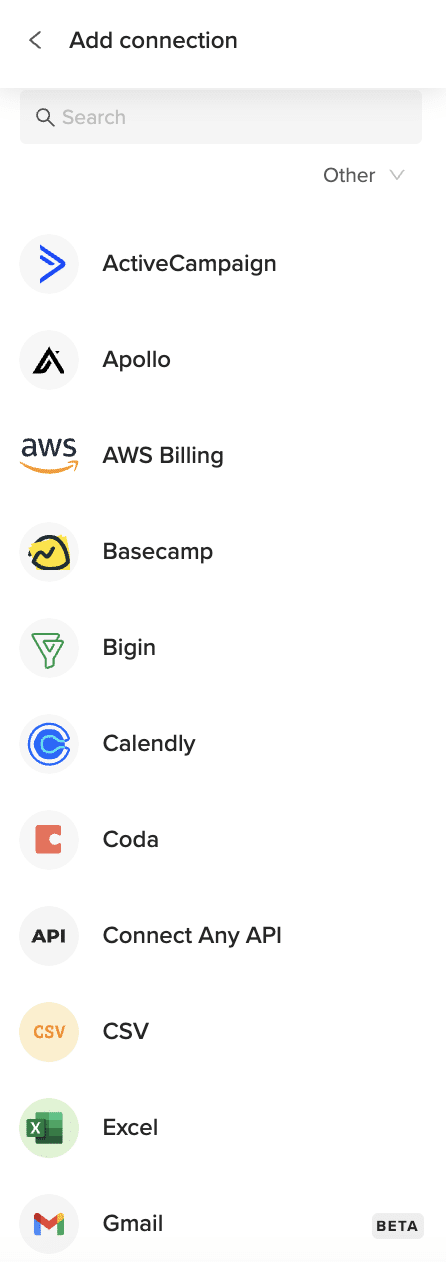
Step 3: Set Up Auto-Refresh (Optional)
To keep your Contacts data in Excel always current, set up an auto-refresh schedule.
- In the Coefficient sidebar, find your newly created Freshdesk import.
- Click the “”Refresh”” button options (the clock icon).
- Select “”Set up auto-refresh””.
- Choose your desired frequency (e.g., daily, hourly, weekly) and time.
- Click “”Save””.
Coefficient will now automatically update your Contacts data in the background according to your schedule.

Available Freshdesk Objects
- Ticket Fields
- Contacts
- Companies
- Agents
- Groups
- Roles
- Time Entries
- Conversations
- Forum Categories
- Forums
- Topics
- Posts
How to Import Contact Fields Data from Freshdesk into Excel
Getting your Freshdesk Contact Fields data into Excel helps you analyze contact form structure and collaborate effectively. Coefficient makes this process seamless and automatic.
Instead of manually exporting data that quickly becomes outdated, you can create a live connection that automatically refreshes.
In this guide, you’ll learn exactly how to import your Freshdesk Contact Fields data into Excel efficiently.
TLDR
-
Step 1:
Step 1. Install Coefficient from the Office Add-ins store and connect to your Freshdesk account.
-
Step 2:
Step 2. Select Import from… and choose the Contact Fields object.
-
Step 3:
Step 3. Configure any filters or columns you need and import the data to your Excel sheet.
-
Step 4:
Step 4. Set up auto-refresh to keep your data updated automatically on your preferred schedule.
Step-by-Step Guide to Importing Freshdesk Contact Fields Data
Here’s how to connect Freshdesk to Excel and pull in your Contact Fields data.
Step 1: Install Coefficient and Connect Freshdesk
First, you need to add Coefficient to your Excel application.
- Open Excel.
- Go to the Insert tab.
- Click “”Get Add-ins””.
- Search for “”Coefficient”” and install it from the Office Add-ins store.
Once installed, open the Coefficient add-in from the Insert tab or the Home tab (depending on your Excel version). You’ll be prompted to connect to your data sources. Select Freshdesk and follow the prompts to authorize Coefficient to access your Freshdesk account.
Step 2: Import Contact Fields Data
With Coefficient connected, you can now pull your Contact Fields data.
- In the Coefficient sidebar, click “”Import from…””.
- Select Freshdesk from your list of connected sources.
- Choose “”Objects”” as the data type.
- Select “”Contact Fields”” from the list of available objects.
-
- Choose the specific columns (fields) you want to import.
- Apply filters to narrow down the data if needed.
- Sort the data if needed.
- Click “”Import””.
Your Freshdesk Contact Fields data will load directly into your Excel sheet.
Step 3: Set Up Auto-Refresh (Optional)
To keep your Contact Fields data in Excel always current, set up an auto-refresh schedule.
- In the Coefficient sidebar, find your newly created Freshdesk import.
- Click the “”Refresh”” button options (the clock icon).
- Select “”Set up auto-refresh””.
- Choose your desired frequency (e.g., daily, hourly, weekly) and time.
- Click “”Save””.
Coefficient will now automatically update your Contact Fields data in the background according to your schedule.
Available Freshdesk Objects
- Ticket Fields
- Contacts
- Companies
- Agents
- Groups
- Roles
- Time Entries
- Conversations
- Forum Categories
- Forums
- Topics
- Posts
How to Import Company Fields Data from Freshdesk into Excel
Getting your Freshdesk Company Fields data into Excel helps you analyze company form structure and collaborate effectively. Coefficient makes this process seamless and automatic.
Instead of manually exporting data that quickly becomes outdated, you can create a live connection that automatically refreshes.
In this guide, you’ll learn exactly how to import your Freshdesk Company Fields data into Excel efficiently.
TLDR
-
Step 1:
Step 1. Install Coefficient from the Office Add-ins store and connect to your Freshdesk account.
-
Step 2:
Step 2. Select Import from… and choose the Company Fields object.
-
Step 3:
Step 3. Configure any filters or columns you need and import the data to your Excel sheet.
-
Step 4:
Step 4. Set up auto-refresh to keep your data updated automatically on your preferred schedule.
Step-by-Step Guide to Importing Freshdesk Company Fields Data
Here’s how to connect Freshdesk to Excel and pull in your Company Fields data.
Step 1: Install Coefficient and Connect Freshdesk
First, you need to add Coefficient to your Excel application.
- Open Excel.
- Go to the Insert tab.
- Click “”Get Add-ins””.
- Search for “”Coefficient”” and install it from the Office Add-ins store.
Once installed, open the Coefficient add-in from the Insert tab or the Home tab (depending on your Excel version). You’ll be prompted to connect to your data sources. Select Freshdesk and follow the prompts to authorize Coefficient to access your Freshdesk account.
Step 2: Import Company Fields Data
With Coefficient connected, you can now pull your Company Fields data.
- In the Coefficient sidebar, click “”Import from…””.
- Select Freshdesk from your list of connected sources.
- Choose “”Objects”” as the data type.
- Select “”Company Fields”” from the list of available objects.
-
- Choose the specific columns (fields) you want to import.
- Apply filters to narrow down the data if needed.
- Sort the data if needed.
- Click “”Import””.
Your Freshdesk Company Fields data will load directly into your Excel sheet.
Step 3: Set Up Auto-Refresh (Optional)
To keep your Company Fields data in Excel always current, set up an auto-refresh schedule.
- In the Coefficient sidebar, find your newly created Freshdesk import.
- Click the “”Refresh”” button options (the clock icon).
- Select “”Set up auto-refresh””.
- Choose your desired frequency (e.g., daily, hourly, weekly) and time.
- Click “”Save””.
Coefficient will now automatically update your Company Fields data in the background according to your schedule.
Available Freshdesk Objects
- Ticket Fields
- Contacts
- Companies
- Agents
- Groups
- Roles
- Time Entries
- Conversations
- Forum Categories
- Forums
- Topics
- Posts
How to Import Collections Data from Webflow into Excel
Importing Collections data from Webflow into Excel helps marketing teams organize content, track performance, and build custom reports. Coefficient makes this process seamless and automatic.
This guide will show you how to import your Webflow Collections data into Excel using Coefficient.
TLDR
-
Step 1:
Step 1. Open Excel > Insert tab > Get Add-ins > Install Coefficient from Office Add-ins store.
-
Step 2:
Step 2. Connect your Webflow account and select the Collections object to import.
-
Step 3:
Step 3. (Optional) Enable auto-refresh to keep your data updated automatically.
Step 1: Install Coefficient and Connect to Webflow
First, you’ll need to install the Coefficient add-in for Excel and connect to your Webflow account:
- Open Excel and navigate to the Insert tab.
- Click on Get Add-ins and search for “Coefficient”.
- Install the Coefficient add-in from the Office Add-ins store.
- Once installed, open the Coefficient sidebar and click “Import from…”.
- In the connector selection screen, scroll to the “Other” category.
Step 2: Import Webflow Collections Data
Now that you’re connected, you can import your Webflow Collections data:
- Select “Webflow” from the list of available connectors.
- Log in to your Webflow account when prompted.
- Choose “Collections” from the list of available objects.
- Select the fields you want to import (e.g., name, slug, created date, schema).
- Apply any filters if needed to narrow down the data.
- Click “Import” to bring your Collections data into Excel.
Step 3: Set Up Auto-Refresh (Optional)
To keep your Webflow Collections data fresh, set up an automatic refresh schedule:
- Click on the refresh icon next to your imported data.
- Select “Schedule refresh” from the dropdown menu.
- Choose your preferred refresh frequency (hourly, daily, or weekly).
- Set the specific time for the refresh to occur.
- Click “Save” to activate the auto-refresh schedule.
Available Webflow Objects
- Collections
- Collection Items
- Assets
- Products
- Users
- Orders
How to Import Companies Data from Freshdesk into Excel
Getting your Freshdesk Companies data into Excel helps you manage account information and collaborate effectively. Coefficient makes this process seamless and automatic.
Instead of manually exporting data that quickly becomes outdated, you can create a live connection that automatically refreshes.
In this guide, you’ll learn exactly how to import your Freshdesk Companies data into Excel efficiently.
TLDR
-
Step 1:
Step 1. Install Coefficient from the Office Add-ins store and connect to your Freshdesk account.
-
Step 2:
Step 2. Select Import from… and choose the Companies object.
-
Step 3:
Step 3. Configure any filters or columns you need and import the data to your Excel sheet.
-
Step 4:
Step 4. Set up auto-refresh to keep your data updated automatically on your preferred schedule.
Step-by-Step Guide to Importing Freshdesk Companies Data
Here’s how to connect Freshdesk to Excel and pull in your Companies data.
Step 1: Install Coefficient and Connect Freshdesk
First, you need to add Coefficient to your Excel application.
- Open Excel.
- Go to the Insert tab.
- Click “”Get Add-ins””.
- Search for “”Coefficient”” and install it from the Office Add-ins store.
Once installed, open the Coefficient add-in from the Insert tab or the Home tab (depending on your Excel version). You’ll be prompted to connect to your data sources. Select Freshdesk and follow the prompts to authorize Coefficient to access your Freshdesk account.
Step 2: Import Companies Data
With Coefficient connected, you can now pull your Companies data.
- In the Coefficient sidebar, click “”Import from…””.
- Select Freshdesk from your list of connected sources.
- Choose “”Objects”” as the data type.
- Select “”Companies”” from the list of available objects.
-
- Choose the specific columns (fields) you want to import.
- Apply filters to narrow down the data (e.g., by industry, status, etc.).
- Sort the data if needed.
- Click “”Import””.
Your Freshdesk Companies data will load directly into your Excel sheet.
Step 3: Set Up Auto-Refresh (Optional)
To keep your Companies data in Excel always current, set up an auto-refresh schedule.
- In the Coefficient sidebar, find your newly created Freshdesk import.
- Click the “”Refresh”” button options (the clock icon).
- Select “”Set up auto-refresh””.
- Choose your desired frequency (e.g., daily, hourly, weekly) and time.
- Click “”Save””.
Coefficient will now automatically update your Companies data in the background according to your schedule.
Available Freshdesk Objects
- Ticket Fields
- Contacts
- Companies
- Agents
- Groups
- Roles
- Time Entries
- Conversations
- Forum Categories
- Forums
- Topics
- Posts
How to Import Applications Data from Greenhouse into Excel
Importing Applications data from Greenhouse into Excel helps recruitment teams track candidate progress, analyze hiring funnels, and optimize application processes. Coefficient makes this process seamless and automatic.
This guide will show you how to import your Greenhouse Applications data into Excel using Coefficient.
TLDR
-
Step 1:
Step 1. Open Excel > Insert tab > Get Add-ins > Install Coefficient from Office Add-ins store.
-
Step 2:
Step 2. Connect your Greenhouse account and select the Applications object to import.
-
Step 3:
Step 3. (Optional) Enable auto-refresh to keep your data updated automatically.
Step 1: Install Coefficient and Connect to Greenhouse
First, you’ll need to install the Coefficient add-in for Excel and connect to your Greenhouse account:
- Open Excel and navigate to the Insert tab.
- Click on Get Add-ins and search for “Coefficient”.
- Install the Coefficient add-in from the Office Add-ins store.
- Once installed, open the Coefficient sidebar and click “Import from…”.
- In the connector selection screen, scroll to the “Other” category.
Step 2: Import Greenhouse Applications Data
Now that you’re connected, you can import your Greenhouse Applications data:
- Select “Greenhouse” from the list of available connectors.
- Enter your Greenhouse API credentials when prompted.
- Choose “Applications” from the list of available objects.
- Select the fields you want to import (e.g., candidate ID, job ID, status, stage, applied date).
- Apply any filters if needed to narrow down the data.
- Click “Import” to bring your Applications data into Excel.
Step 3: Set Up Auto-Refresh (Optional)
To keep your Greenhouse Applications data fresh, set up an automatic refresh schedule:
- Click on the refresh icon next to your imported data.
- Select “Schedule refresh” from the dropdown menu.
- Choose your preferred refresh frequency (hourly, daily, or weekly).
- Set the specific time for the refresh to occur.
- Click “Save” to activate the auto-refresh schedule.
Available Greenhouse Objects
- Candidates
- Departments
- Jobs
- Offers
- Offices
- Prospects
- Rejection Reasons
- Scorecards
- Sources
- Stages
- Users
- Interview Plans
How to Import Candidates Data from Greenhouse into Excel
Importing Candidates data from Greenhouse into Excel helps recruitment teams track talent profiles, analyze candidate pools, and optimize hiring decisions. Coefficient makes this process seamless and automatic.
This guide will show you how to import your Greenhouse Candidates data into Excel using Coefficient.
TLDR
-
Step 1:
Step 1. Open Excel > Insert tab > Get Add-ins > Install Coefficient from Office Add-ins store.
-
Step 2:
Step 2. Connect your Greenhouse account and select the Candidates object to import.
-
Step 3:
Step 3. (Optional) Enable auto-refresh to keep your data updated automatically.
Step 1: Install Coefficient and Connect to Greenhouse
First, you’ll need to install the Coefficient add-in for Excel and connect to your Greenhouse account:
- Open Excel and navigate to the Insert tab.
- Click on Get Add-ins and search for “Coefficient”.
- Install the Coefficient add-in from the Office Add-ins store.
- Once installed, open the Coefficient sidebar and click “Import from…”.
- In the connector selection screen, scroll to the “Other” category.
Step 2: Import Greenhouse Candidates Data
Now that you’re connected, you can import your Greenhouse Candidates data:
- Select “Greenhouse” from the list of available connectors.
- Enter your Greenhouse API credentials when prompted.
- Choose “Candidates” from the list of available objects.
- Select the fields you want to import (e.g., name, email, phone, education, experience, tags).
- Apply any filters if needed to narrow down the data.
- Click “Import” to bring your Candidates data into Excel.
Step 3: Set Up Auto-Refresh (Optional)
To keep your Greenhouse Candidates data fresh, set up an automatic refresh schedule:
- Click on the refresh icon next to your imported data.
- Select “Schedule refresh” from the dropdown menu.
- Choose your preferred refresh frequency (hourly, daily, or weekly).
- Set the specific time for the refresh to occur.
- Click “Save” to activate the auto-refresh schedule.
Available Greenhouse Objects
- Candidates
- Departments
- Jobs
- Offers
- Offices
- Prospects
- Rejection Reasons
- Scorecards
- Sources
- Stages
- Users
- Interview Plans
How to Import Agents Data from Freshdesk into Excel
Getting your Freshdesk Agents data into Excel helps you manage your support team and analyze performance effectively. Coefficient makes this process seamless and automatic.
Instead of manually exporting data that quickly becomes outdated, you can create a live connection that automatically refreshes.
In this guide, you’ll learn exactly how to import your Freshdesk Agents data into Excel efficiently.
TLDR
-
Step 1:
Step 1. Install Coefficient from the Office Add-ins store and connect to your Freshdesk account.
-
Step 2:
Step 2. Select Import from… and choose the Agents object.
-
Step 3:
Step 3. Configure any filters or columns you need and import the data to your Excel sheet.
-
Step 4:
Step 4. Set up auto-refresh to keep your data updated automatically on your preferred schedule.
Step-by-Step Guide to Importing Freshdesk Agents Data
Here’s how to connect Freshdesk to Excel and pull in your Agents data.
Step 1: Install Coefficient and Connect Freshdesk
First, you need to add Coefficient to your Excel application.
- Open Excel.
- Go to the Insert tab.
- Click “”Get Add-ins””.
- Search for “”Coefficient”” and install it from the Office Add-ins store.
Once installed, open the Coefficient add-in from the Insert tab or the Home tab (depending on your Excel version). You’ll be prompted to connect to your data sources. Select Freshdesk and follow the prompts to authorize Coefficient to access your Freshdesk account.
Step 2: Import Agents Data
With Coefficient connected, you can now pull your Agents data.
- In the Coefficient sidebar, click “”Import from…””.
- Select Freshdesk from your list of connected sources.
- Choose “”Objects”” as the data type.
- Select “”Agents”” from the list of available objects.
-
- Choose the specific columns (fields) you want to import.
- Apply filters to narrow down the data (e.g., by group, status, etc.).
- Sort the data if needed.
- Click “”Import””.
Your Freshdesk Agents data will load directly into your Excel sheet.
Step 3: Set Up Auto-Refresh (Optional)
To keep your Agents data in Excel always current, set up an auto-refresh schedule.
- In the Coefficient sidebar, find your newly created Freshdesk import.
- Click the “”Refresh”” button options (the clock icon).
- Select “”Set up auto-refresh””.
- Choose your desired frequency (e.g., daily, hourly, weekly) and time.
- Click “”Save””.
Coefficient will now automatically update your Agents data in the background according to your schedule.
Available Freshdesk Objects
- Ticket Fields
- Contacts
- Companies
- Agents
- Groups
- Roles
- Time Entries
- Conversations
- Forum Categories
- Forums
- Topics
- Posts
How to Import Account Stages Data from Apollo into Excel
Analyzing Apollo Account Stages data in Excel helps you understand how accounts move through your process. Coefficient connects Apollo directly to your spreadsheet seamlessly.
This guide shows you how to import your Apollo Account Stages data into Excel using Coefficient.
TLDR
-
Step 1:
Step 1. Install Coefficient for Excel and connect to your Apollo account.
-
Step 2:
Step 2. Select Import from… and choose the Account Stages object.
-
Step 3:
Step 3. Configure filters or select fields as needed and import into your Excel sheet.
-
Step 4:
Step 4. Set up auto-refresh to keep your stage data automatically updated.
Step-by-step guide
Follow these steps to get your Apollo Account Stages data into Excel.
Step 1: Install and Connect Coefficient
First, install Coefficient for Excel. Go to the Insert tab, click “Get Add-ins,” search for Coefficient, and install it from the store.
Open the Coefficient add-in from the Home tab. Select Apollo when prompted to connect a data source.
Log in to your Apollo account and authorize Coefficient to access your data.
Step 2: Import Account Stages Data
With Apollo connected, click “Import from…” in the Coefficient sidebar.
Select Apollo as your source. Then, choose “Account Stages” from the list of available objects to import.
You can refine the data by selecting specific fields or applying filters before clicking “Import” to add it to your Excel sheet.

Step 3: Set Up Auto-Refresh (Optional)
Keep your Account Stages data in Excel automatically updated. After importing, find the auto-refresh options in the Coefficient sidebar.
Schedule refreshes hourly, daily, or weekly. Your Excel sheet will then sync automatically with the latest stage information from Apollo.
Available Apollo Objects
- Tasks
- Contacts
- Contact Stages
- Deals
- Lists
- Accounts
- Account Stages
- Organization Job Postings
- Sequences
- Tags
How to Import Accounts Data from Apollo into Excel
Importing Apollo Accounts data into Excel helps you manage and analyze company information. Coefficient connects Apollo directly to your spreadsheet seamlessly.
This guide shows you how to import your Apollo Accounts data into Excel using Coefficient.
TLDR
-
Step 1:
Step 1. Install Coefficient for Excel and connect to your Apollo account.
-
Step 2:
Step 2. Select Import from… and choose the Accounts object.
-
Step 3:
Step 3. Configure filters or select fields as needed and import into your Excel sheet.
-
Step 4:
Step 4. Set up auto-refresh to keep your account data automatically updated.
Step-by-step guide
Follow these steps to get your Apollo Accounts data into Excel.
Step 1: Install and Connect Coefficient
First, install Coefficient for Excel. Go to the Insert tab, click “Get Add-ins,” search for Coefficient, and install it from the store.
Open the Coefficient add-in from the Home tab. Select Apollo when prompted to connect a data source.
Log in to your Apollo account and authorize Coefficient to access your data.
Step 2: Import Accounts Data
With Apollo connected, click “Import from…” in the Coefficient sidebar.
Select Apollo as your source. Then, choose “Accounts” from the list of available objects to import.
You can refine the data by selecting specific fields or applying filters before clicking “Import” to add it to your Excel sheet.
Step 3: Set Up Auto-Refresh (Optional)
Keep your Accounts data in Excel automatically updated. After importing, find the auto-refresh options in the Coefficient sidebar.
Schedule refreshes hourly, daily, or weekly. Your Excel sheet will then sync automatically with the latest account information from Apollo.
Available Apollo Objects
- Tasks
- Contacts
- Contact Stages
- Deals
- Lists
- Accounts
- Account Stages
- Organization Job Postings
- Sequences
- Tags