Importing Bills from Sage Intacct into Excel keeps your payables up to date without manual exports.
This guide shows you how to set up Coefficient, import your Bills object, and automate data refresh.
TLDR
-
Step 1:
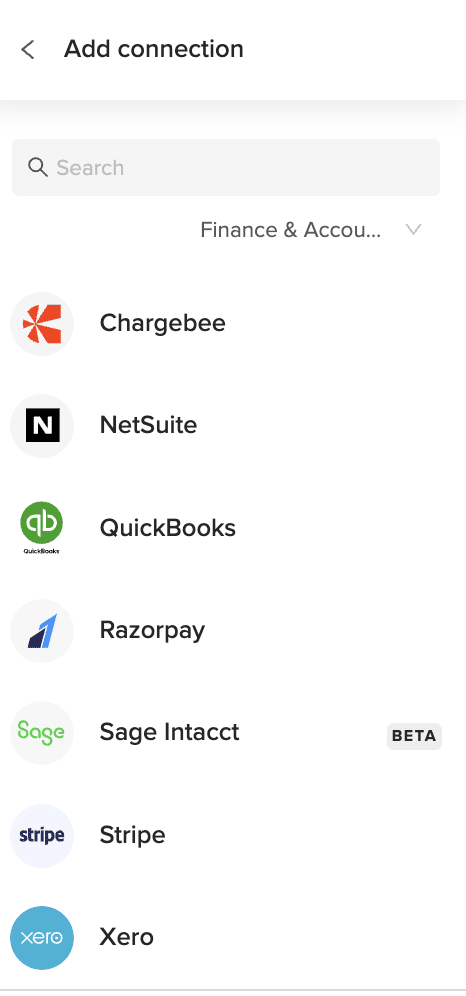
Install Coefficient and connect Sage Intacct in Excel.
-
Step 2:
Select “Import from Objects” → “Bills.”
-
Step 3:
Click “Import” and verify columns.
-
Step 4:
Optionally, set up auto-refresh.
Step-by-Step Guide

What Sage Intacct Data is Imported?
- Bills
- Customers
- Deposits
- Expense Reports
- Fund Transfers
- Invoices
- Journal Entries
- Payments
- Tax Details
- Vendors
- ACCOUNTS PAYABLE
- ACCOUNTS RECEIVABLE
How to Import Charge Card Transactions Data from Sage Intacct into Excel
Importing Charge Card Transactions from Sage Intacct into Excel gives you a detailed view of card spend.
This tutorial covers connecting Coefficient, importing your Charge Card Transactions object, and setting up auto-refresh.
TLDR
-
Step 1:
Install Coefficient, connect Sage Intacct.
-
Step 2:
Select “Import from Objects” → “Charge Card Transactions.”
-
Step 3:
Click “Import,” verify fields.
-
Step 4:
Enable auto-refresh for up-to-date data.
Step-by-Step Guide
What Sage Intacct Data is Imported?
- Charge Card Transactions
- Charge Payoffs
- Charge Payoff Lines
- Checking Account Reconciliations
- Credit Card Charges/Other Fees
How to Import Customers Data from Sage Intacct into Excel
Importing Customers from Sage Intacct into Excel lets you analyze customer records without manual exports.
This guide shows how to set up Coefficient, import your Customers object, and automate updates.
TLDR
-
Step 1:
Install Coefficient and connect to Sage Intacct.
-
Step 2:
Select “Import from Objects” → “Customers.”
-
Step 3:
Click “Import” and confirm fields.
-
Step 4:
Optionally, enable auto-refresh.
Step-by-Step Guide
What Sage Intacct Data is Imported?
- Bills
- Customers
- Deposits
- Expense Reports
- Fund Transfers
- Invoices
- Journal Entries
- Payments
- Tax Details
- Vendors
- ACCOUNTS PAYABLE
- ACCOUNTS RECEIVABLE
How to Import Fund Transfers Data from Sage Intacct into Excel
Importing Fund Transfers from Sage Intacct into Excel keeps your inter-account transactions up to date.
This guide covers importing your Fund Transfers object with Coefficient and automating refresh.
TLDR
-
Step 1:
Install Coefficient, connect Sage Intacct.
-
Step 2:
Select “Import from Objects” → “Fund Transfers.”
-
Step 3:
Click “Import,” verify fields.
-
Step 4:
Enable auto-refresh if desired.
Step-by-Step Guide
What Sage Intacct Data is Imported?
- Bills
- Customers
- Deposits
- Expense Reports
- Fund Transfers
- Invoices
- Journal Entries
- Payments
- Tax Details
- Vendors
- ACCOUNTS PAYABLE
- ACCOUNTS RECEIVABLE
How to Import Invoices Data from Sage Intacct into Excel
Importing Invoices from Sage Intacct into Excel gives you a live view of billing amounts and statuses.
This guide shows how to import your Invoices object with Coefficient and set up auto-refresh.
TLDR
-
Step 1:
Install Coefficient, connect Sage Intacct.
-
Step 2:
Select “Import from Objects” → “Invoices.”
-
Step 3:
Click “Import,” verify fields.
-
Step 4:
Enable auto-refresh as needed.
Step-by-Step Guide
What Sage Intacct Data is Imported?
- Bills
- Customers
- Deposits
- Expense Reports
- Fund Transfers
- Invoices
- Journal Entries
- Payments
- Tax Details
- Vendors
- ACCOUNTS PAYABLE
- ACCOUNTS RECEIVABLE